10 Easy Asian Shrimp Recipes
Dive into the heart of Eastern cuisine with these 10 easy Asian shrimp recipes, perfect for adding flavor and a touch of the exotic to your everyday meals. Shrimp pairs beautifully with soy sauce, ginger, lemongrass, and coconut milk — all hallmarks of Asian gastronomy. Quick to prepare and full of flavor, these dishes suit beginners and world-cuisine enthusiasts alike. Discover how to turn simple shrimp into a true culinary journey, effortlessly and in just a few minutes.
1.
Siu mai
 Chinese
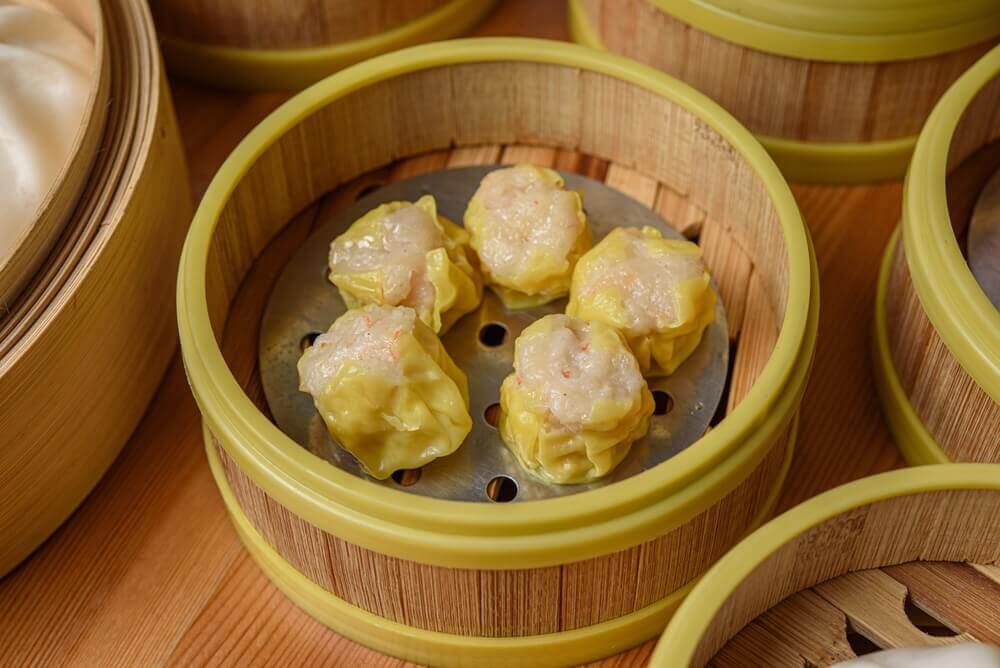
Siu Mai, also spelled Shumai or Shaomai, are Chinese dumplings traditionally served during Dim Sum meals. Originating from Guangdong province, these delicious little dumplings have an open cylindrical shape at the top, revealing their filling. Their wrapper, usually made of thin wheat dough, encases a meat-based filling, most often a mixture of ground pork, shrimp, black mushrooms, ginger, and seasonings. Steamed until tender, Siu Mai are recognizable by their pale yellow color and soft texture. Served with soy sauce or another dipping sauce, they are an essential bite for Dim Sum lovers and are appreciated for their rich flavor and delicate texture.
View recipe2.
Ha Kao
Chinese

Dim sum are small traditional Chinese dishes, often served in individual portions in bamboo baskets. Originating from Cantonese cuisine, they are enjoyed during yum cha, a tea practice accompanied by snacks. Dim sum can be steamed, fried, or poached, and come in a wide variety of flavors and textures. Among the most popular are har gao (shrimp dumplings), siu mai (pork and shrimp bites), and baozi (filled buns). They can be filled with meat, seafood, vegetables, or even sweet treats. Versatile and convivial, dim sum are designed to be shared, making them a tasty and social culinary experience, emblematic of the richness and diversity of Chinese gastronomy.
View recipe3.
Ebi tempura
 Japanese
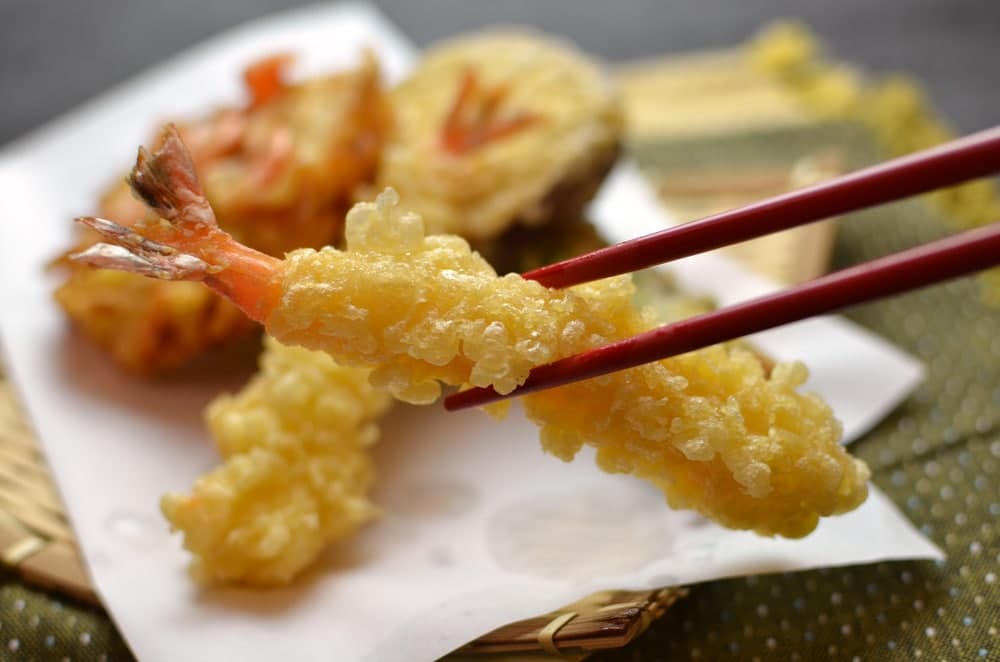
Tempura is a traditional Japanese dish made from a variety of ingredients, such as vegetables, shrimp, or fish, coated in a light batter and fried until crispy and golden. The batter is usually made from cold water, flour, and sometimes egg, giving tempura its characteristic airy texture. These delicious bites are typically served with a dipping sauce made from dashi, soy sauce, and mirin, called tentsuyu sauce. They are often enjoyed with grated daikon radish for a touch of freshness. Tempura can be served on its own, over bowls of rice known as tendon, or in soups. Prized for their light coating and delicate flavor, they are a staple of Japanese cuisine.
View recipe4.
Wonton
Chinese
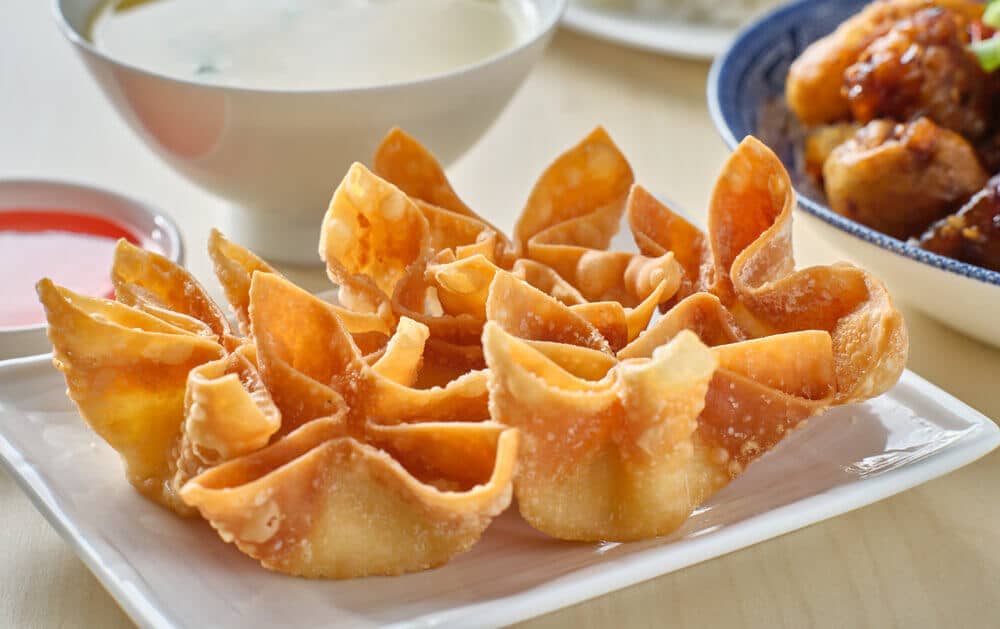
Wontons are delicate little bites originating from Chinese cuisine. They consist of a thin, square or round sheet of dough that usually wraps a filling made from meat or shrimp, often mixed with seasonings and vegetables such as cabbage or black mushrooms. Once filled, wontons can be cooked in different ways: boiled, fried, or steamed. Boiled, they are commonly served in a clear, fragrant soup, garnished with leafy greens and thin slices of meat. Fried, they become crispy and golden, ideal for dipping in sweet or spicy sauces. With their tender wrapper and flavorful filling, wontons are a staple at festive tables in China and on the menus of many Chinese restaurants around the world.
View recipe5.
Tom yum kung
 Thai
Thai

Tom Yum soup is a spicy, sour Thai soup, famous for its rich, complex blend of flavors. It usually contains shrimp (Tom Yum Goong), but can also be made with other proteins like chicken. The key ingredients that give the soup its characteristic flavor are lemongrass, kaffir lime leaves, galangal root, chilies, lime juice, and fish sauce. It's often topped with mushrooms and cherry tomatoes. The broth is both spicy and invigorating, combining the heat of the chilies with the refreshing acidity of the lime. This soup should be served piping hot; it's not only flavorful but also considered beneficial for health. It represents the very essence of Thai cuisine, where the balance between different flavors is paramount.
View recipe6.
Beignets de crevettes
Chinese
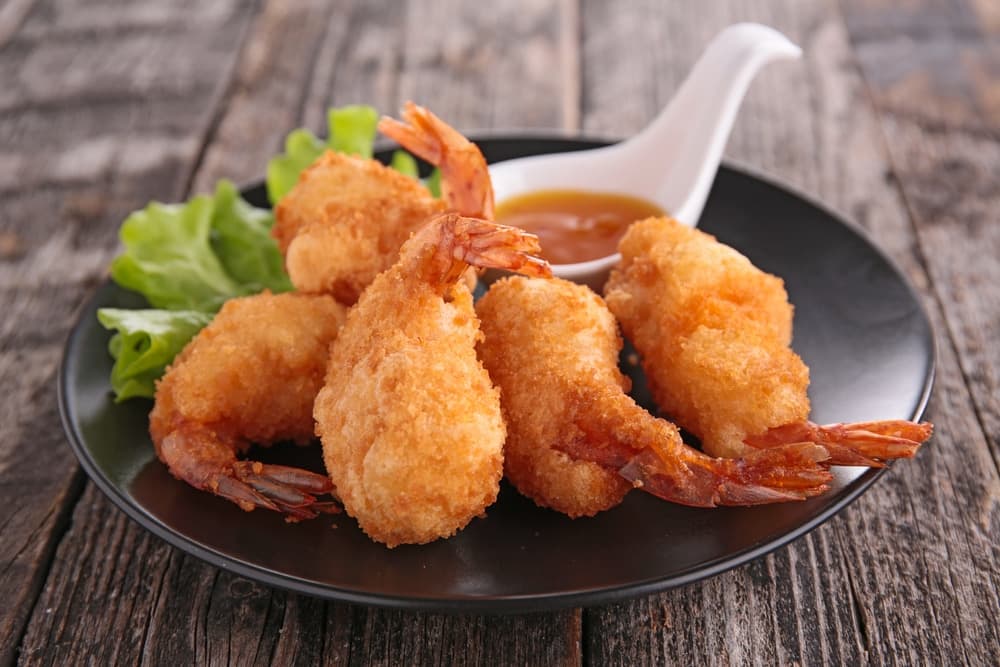
Shrimp fritters are a delicious and crispy dish, typical of Chinese cuisine. They consist of whole shrimp coated in a light batter made of flour, water, salt, and other seasonings. Once coated, the shrimp are deep-fried in hot oil until golden brown and crispy on the outside, while preserving the tenderness and juicy flavor of the shrimp inside. These fritters are often served with various dipping sauces, such as sweet and sour sauce, chili sauce, or simple mayonnaise. Perfectly golden and crispy on the outside, with perfectly cooked shrimp inside, these fritters are a staple of dim sum menus and festive feasts in Chinese restaurants.
View recipe7.
Chun juan
Chinese
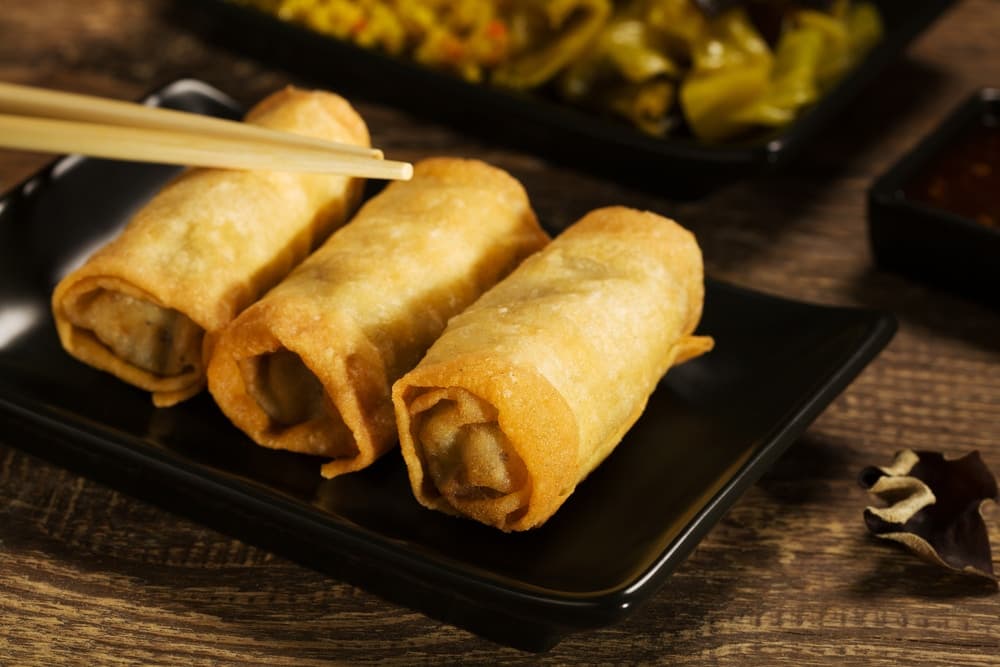
Chun Juan, better known as Chinese spring rolls, are a popular dish in China, often eaten during Chinese New Year to symbolize wealth and renewal. They consist of thin wheat-flour wrappers filled with a mixture of vegetables like cabbage, carrots, and often proteins like pork, chicken, or shrimp. The ingredients are first stir-fried with soy sauce and other seasonings, carefully wrapped, then fried until golden and crispy. Chun Juan are appreciated for their crispy outer texture contrasting with the tender, juicy filling inside. Served hot, they are often paired with sweet and sour sauce, adding a sweet and tangy touch to every bite. This dish is not only delicious but also emblematic of festive Chinese cuisine.
View recipe8.
Ebi furai
Japanese
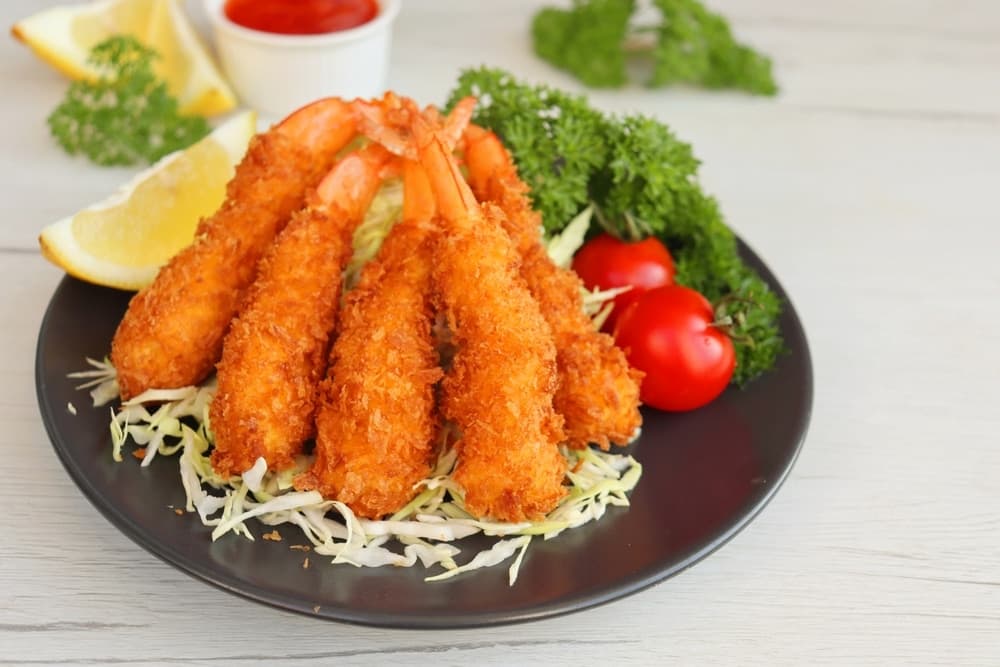
Ebi furai, of Japanese origin, are shrimp coated in a crispy breading and fried until golden brown. Unlike ebi tempura, where the batter is light and airy, ebi furai is breaded with breadcrumbs called "panko", giving it a thicker, crispier texture. To prepare ebi furai, the shrimp are first shelled, leaving the tail, then dipped in flour, beaten eggs, and finally coated in panko. They are then fried in hot oil. Served hot, they are often accompanied by tartar sauce or tonkatsu sauce to add an extra touch of flavor. This dish is popular in izakayas (Japanese pubs) and Japanese restaurants. The crispy exterior combined with the tenderness of the shrimp inside offers a tasty eating experience.
View recipe9.
Bánh Xèo
 Vietnamese
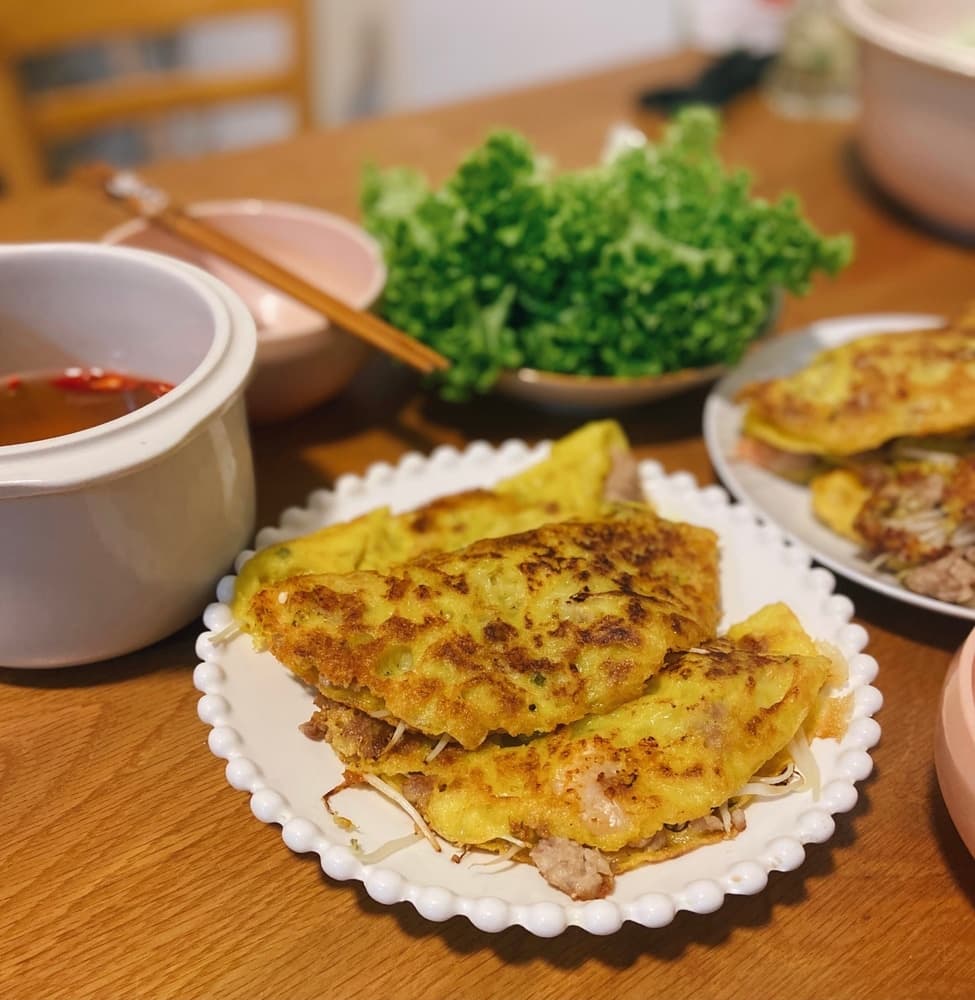
Bánh Xèo is a crispy Vietnamese pancake, originating from southern Vietnam. Its name means "sizzling pancake", referring to the sound the batter makes when poured into the hot pan. Made with rice flour, turmeric, coconut milk, and water, this golden pancake is often filled with pork, shrimp, and sometimes bean sprouts and green onions. It is served with fresh herbs like mint and cilantro, and lettuce leaves, allowing it to be wrapped before being dipped in nuoc cham sauce. Bánh Xèo is appreciated for its contrast of textures, between the crispy pancake and the juicy fillings, and for its rich, varied flavors, perfectly representing Vietnamese cuisine.
View recipe10.
Húntún Tāng
Chinese
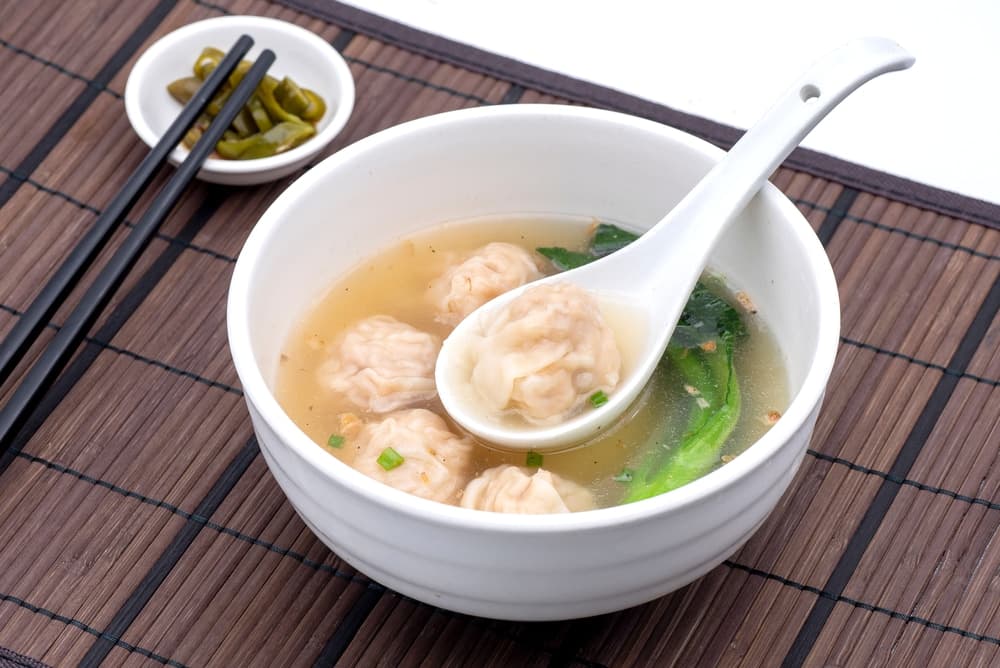
A traditional dish of Chinese cuisine, appreciated for its simplicity and comforting flavors. It consists of a clear broth, flavored with ginger, garlic, and sometimes soy sauce for extra depth. The wontons, small stuffed dumplings, are the centerpiece of the dish. Their filling varies by recipe, usually including ground pork, shrimp, green onions, and seasonings like sesame oil. Gently poached in the broth, the wontons have a tender, melting texture. Vegetables like bok choy or mushrooms can be added for extra freshness and richness. Light and nourishing, wonton soup is served hot, often topped with fresh cilantro or green onions.
View recipe