12 Asian Desserts to Discover
Craving new sweet flavors from Asia? Treat yourself to these 12 Asian dessert recipes, where texture, aroma, and color come together in perfect harmony. Whether you love light treats made with glutinous rice, exotic fruits, or silky creams, you'll find original ideas here to surprise your taste buds. Follow the guide and get ready for a delicious journey through Asia's sweet traditions!
1.
Es cendol
 Indonesian
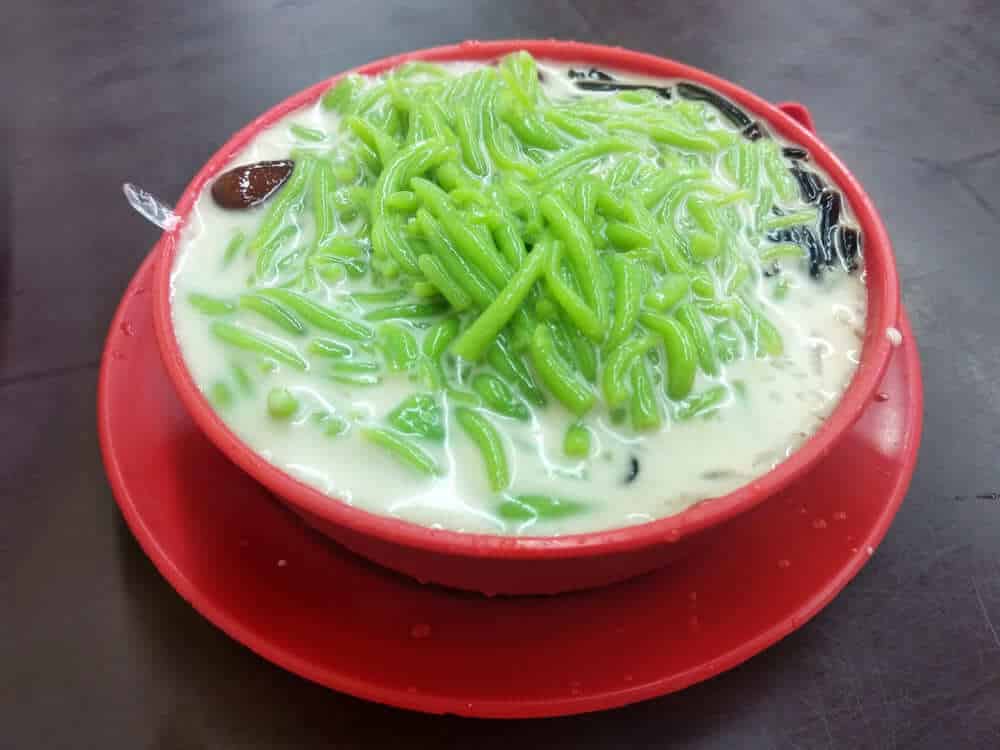
Es cendol is a refreshing sweet drink originating from Indonesia, also popular in other Southeast Asian regions such as Malaysia, Singapore, and the Philippines. It is characterized by its distinctive green pearls, called "cendol", made from rice flour mixed with pandan juice, giving it its natural green color. These pearls are served in a mixture of sweetened coconut milk and palm sugar syrup or molasses, often accompanied by crushed ice, making the drink particularly refreshing in hot weather. The chewy texture of the cendol pearls, combined with the creaminess of the coconut milk and the sweetness of the syrup, offers a unique tasting experience. Often enjoyed as a dessert or an afternoon drink, es cendol is a must for anyone visiting the region who wants to immerse themselves in its traditional flavors.
View recipe2.
Mango sago
 Hongkongaise
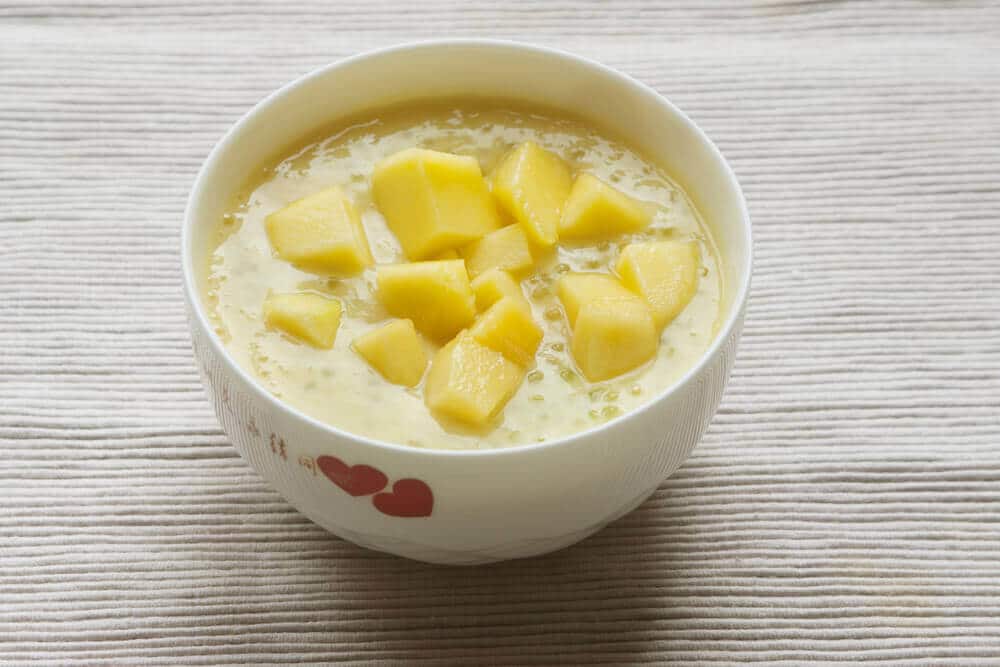
Mango sago is a delicious culinary specialty that combines the exotic sweetness of mango with the unique texture of sago. Sago, small pearls extracted from certain palm trees, takes on a gelatinous consistency when cooked. In this preparation, these pearls are often cooked in a light syrup or in coconut milk, giving them a subtly sweet taste. Mango, with its juicy, fragrant flesh, adds a fruity, refreshing dimension to the dish. Its golden-yellow color contrasts beautifully with the translucent sago pearls. Together, they form a deliciously sweet dessert or snack, often topped with garnishes like fresh mango slices, shredded coconut, or other tropical fruits. It's a treat that evokes the flavors and sensations of the tropics, offering a taste getaway with every bite.
View recipe3.
Pisang goreng
Indonesian
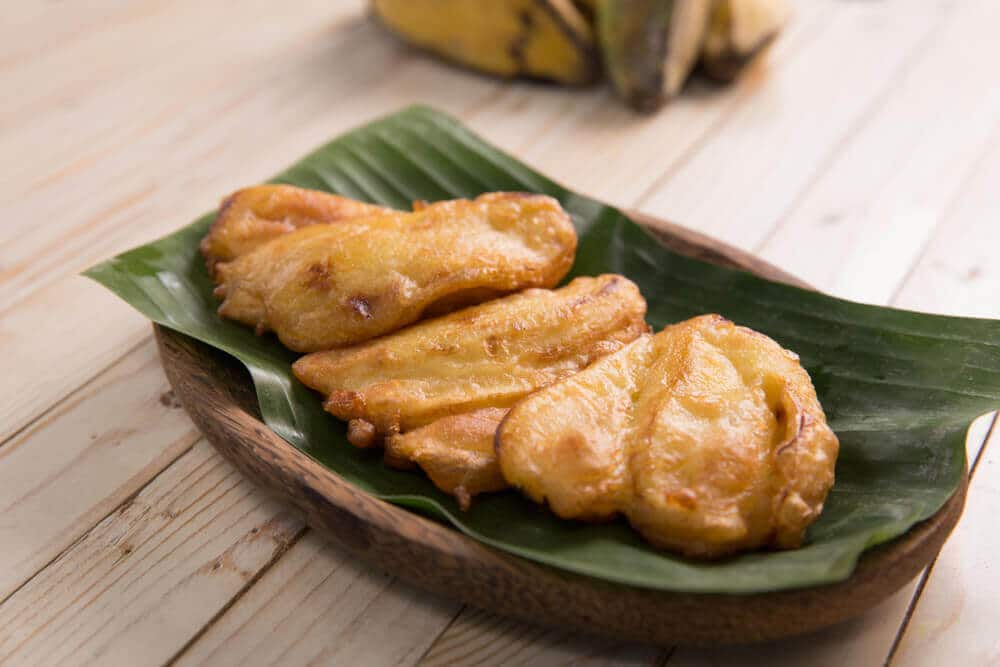
Pisang goreng are banana fritters popular in Indonesia, Malaysia, and other Southeast Asian countries. They consist of banana slices or halves coated in a light, sweet batter, then fried in hot oil until golden and crispy. The inside stays soft, warm, and tender, contrasting perfectly with the crispy outside. The bananas used are usually "pisang raja" or other local varieties, known for their sweetness and rich flavor. Served hot, these fritters are often enjoyed as an afternoon snack or dessert. In some places, they can be dusted with sugar, drizzled with chocolate sauce, or served with vanilla ice cream. Simple but deliciously addictive, pisang goreng is a must-try for anyone visiting the region who wants to sample its local sweets.
View recipe4.
Dorayaki
 Japanese

Dorayaki are delicious Japanese pastries made of two soft, often slightly sweet pancakes, assembled around a filling. Traditionally, this filling is anko, a sweet azuki red bean paste, but there are now many variations, such as chocolate, pastry cream, or matcha. The origin of dorayaki dates back several centuries, and its name may derive from "dora", meaning "gong", referring to its round shape. Sweet and comforting, dorayaki are perfect for a snack or dessert. Appreciated for their airy texture and the subtle balance between the softness of the pancakes and the meltiness of the filling, they are very popular in Japan, but also around the world. Easy to carry, they perfectly embody the simplicity and refinement of Japanese pastry-making.
View recipe5.
Klepon
Indonesian
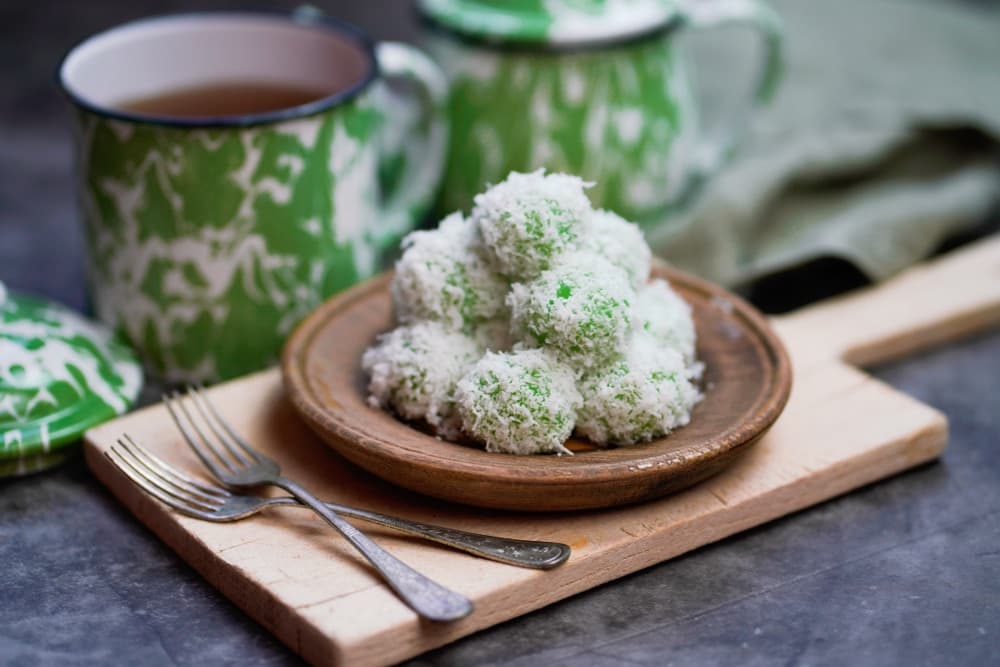
Klepon is a traditional Indonesian dessert, appreciated for its tender texture and exquisite sweetness. It consists of small balls of sticky rice dough, usually flavored with pandan, and filled with grated palm sugar, offering a sweet, slightly caramelized contrast. Once shaped, these balls are cooked in boiling water. After cooking, the klepon are coated in grated coconut, giving them a delicately crunchy exterior texture. This dessert, with its vivid colors and rich flavors, is often enjoyed during festivities or family celebrations in Indonesia. A true symbol of Indonesian street food, klepon represents the art of combining simplicity and local ingredients to create a dessert that is both nourishing and irresistible.
View recipe6.
Gulab jamun
 Indian

Gulab jamun are sweet dough balls, popular in Indian cuisine. These treats are made of khoya, a concentrated form of milk, mixed with flour and sometimes ground almonds or nuts. Once shaped into small balls, they are fried until deep golden brown. Gulab jamun are then soaked in a sweet syrup flavored with saffron, cardamom, rose water, or sometimes kewra, which gives them their characteristic sweetness and soft texture. They are often served warm and can be garnished with edible silver leaf for a more elegant presentation. This dessert is especially popular during festivals and celebrations in India, such as Diwali or Eid, providing a rich, sweet finishing touch to any meal.
View recipe7.
Khao Niew Mamuang
 Thai
Thai
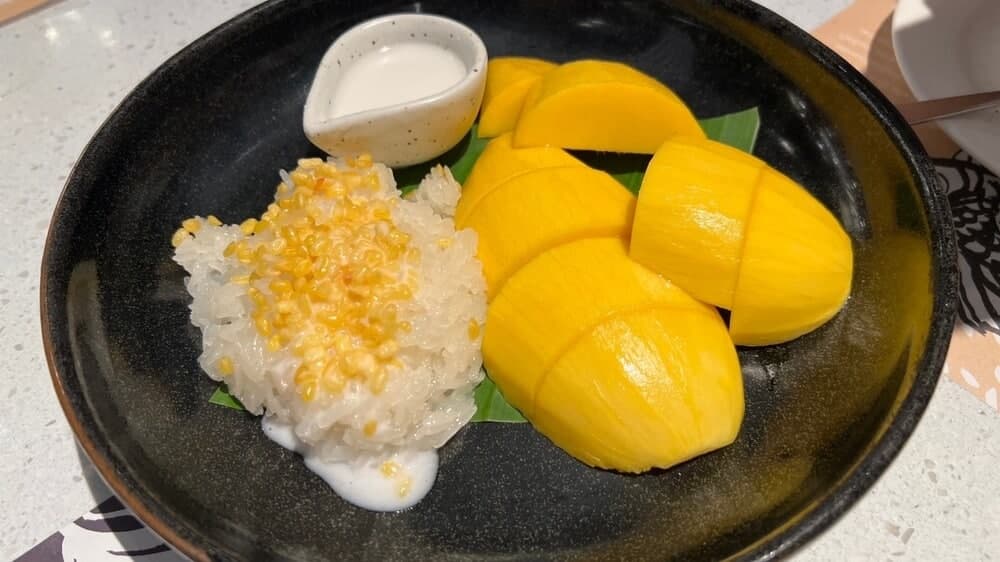
Mango sticky rice, or "Khao Niew Mamuang" in Thai, is a traditional Thai dessert appreciated for its simplicity and exquisite sweetness. It consists of steamed sticky rice, sweetened with a mixture of coconut milk, sugar, and salt. Once the rice is ready, it is placed on a plate and topped with slices of ripe, juicy mango. It is often drizzled with an extra creamy coconut milk sauce and sometimes sprinkled with toasted sesame seeds or fried mung beans for a crunchy touch. The combination of the warm, soft, sticky rice with the freshness and gentle acidity of the mango makes this dessert an irresistible treat. It is a must for anyone visiting Thailand or wanting to taste the sweetness of Asian cuisine.
View recipe8.
Martabak manis
Indonesian
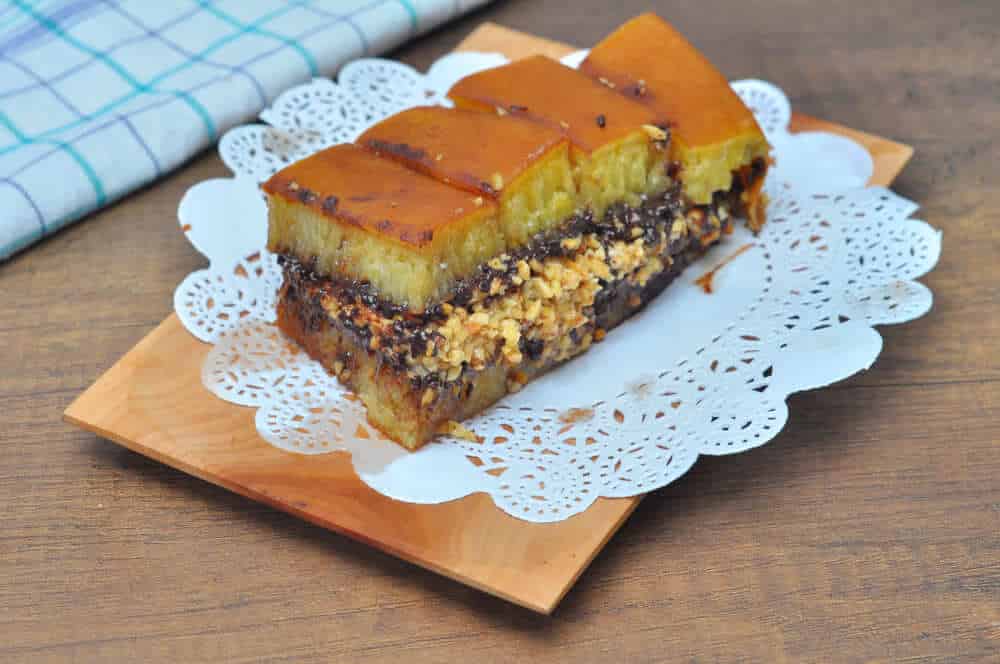
Martabak manis, also known as "martabak terang bulan", is a treat originating from Indonesia. Resembling a thick pancake, this sweet delight is characterized by its soft dough and generously filled center. Traditionally, it is filled with butter, crushed peanuts, chocolate, grated cheese, or condensed milk, although many modern variations include fillings like bananas, Nutella, or even Oreos. Cooked in a large pan, martabak manis is often sold folded into half-moons. The outside is slightly crispy while the inside is soft and fluffy, offering a contrast of textures that, combined with the richness of the fillings, creates a decadent tasting experience. Popular at street stalls throughout Indonesia, martabak manis is a must for those with a sweet tooth.
View recipe9.
Dadar gulung
Indonesian
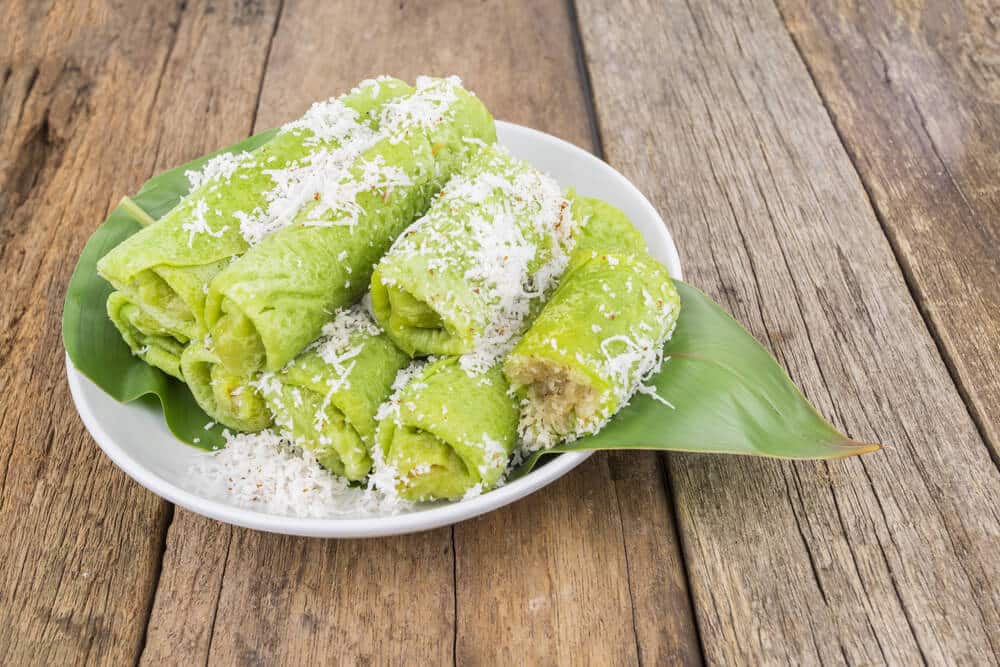
The "dadar gulung" is a traditional Indonesian sweet treat, often described as a rolled green pancake. Its characteristic green color comes from pandan leaves, which also give it a unique aroma. The pancake is thin and light, made from a mixture of flour, sugar, salt, and coconut milk, flavored with pandan juice. Inside, there is a sweet, soft filling made of grated coconut and palm sugar or brown sugar, sometimes enhanced with pieces of jackfruit or other fruits. Once the filling is placed on the pancake, it is delicately rolled, creating a dessert that is both soft and aromatic. Dadar gulung is often enjoyed as a snack or during festivities. Its mix of textures and flavors makes it a favorite among food lovers and fans of Indonesian cuisine.
View recipe10.
Bánh rán
 Vietnamese

Bánh rán are traditional Vietnamese fritters, known for their golden, crispy crust and flavorful center. Made from a glutinous rice flour dough, these fritters are usually filled with a sweet or savory filling. The sweet version, flavored with sesame and sometimes coconut or sweetened mung beans, is very popular in northern Vietnam. Bánh rán are fried until achieving a nice crispy texture, while staying soft on the inside. Deliciously flavored and versatile, they are enjoyed as a snack, dessert, or side dish. This dish perfectly reflects the balance of flavors and textures that characterizes Vietnamese cuisine.
View recipe11.
Bolu pandan
Indonesian
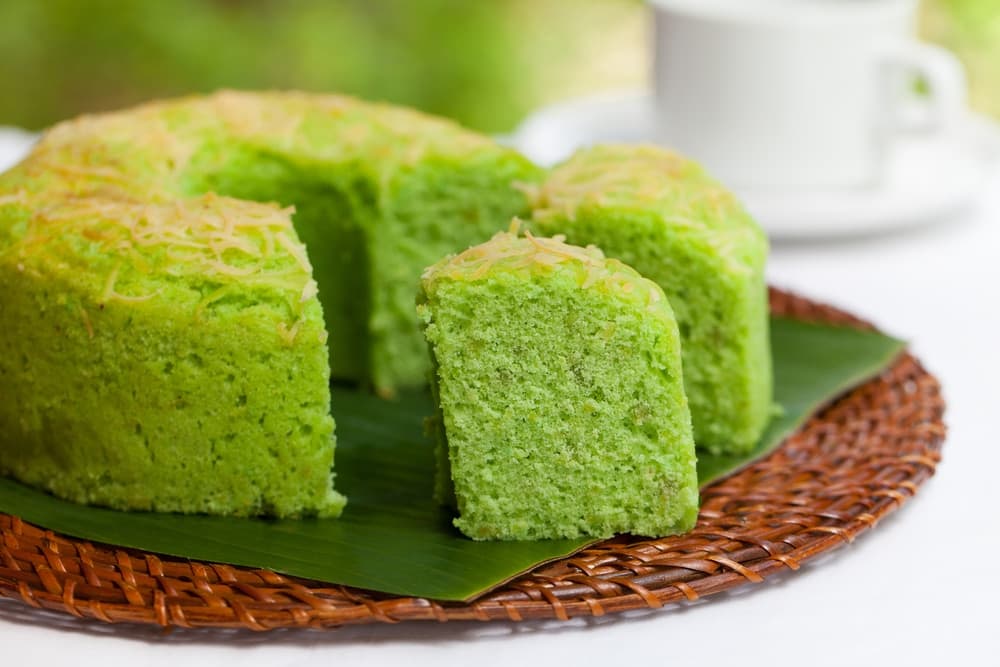
Pandan cake is a popular dessert in Southeast Asia, recognizable by its vivid green color and unique aroma. Pandan, often called "Asian vanilla", is a tropical plant whose leaves give off a soft, floral fragrance, used to infuse the cake with distinctive flavor and color. The texture of pandan cake is light and airy, often achieved through the use of stiffly beaten egg whites. The result is a soft cake that almost melts in the mouth, with the delicate scent of pandan giving it aromatic depth. Often served for snacks or special occasions, this cake is appreciated for its refined simplicity. Whether prepared as a rolled cake, a chiffon cake, or a traditional sponge cake, pandan cake is a staple sweet treat of Asian cuisine.
View recipe12.
Kue lapis
Indonesian
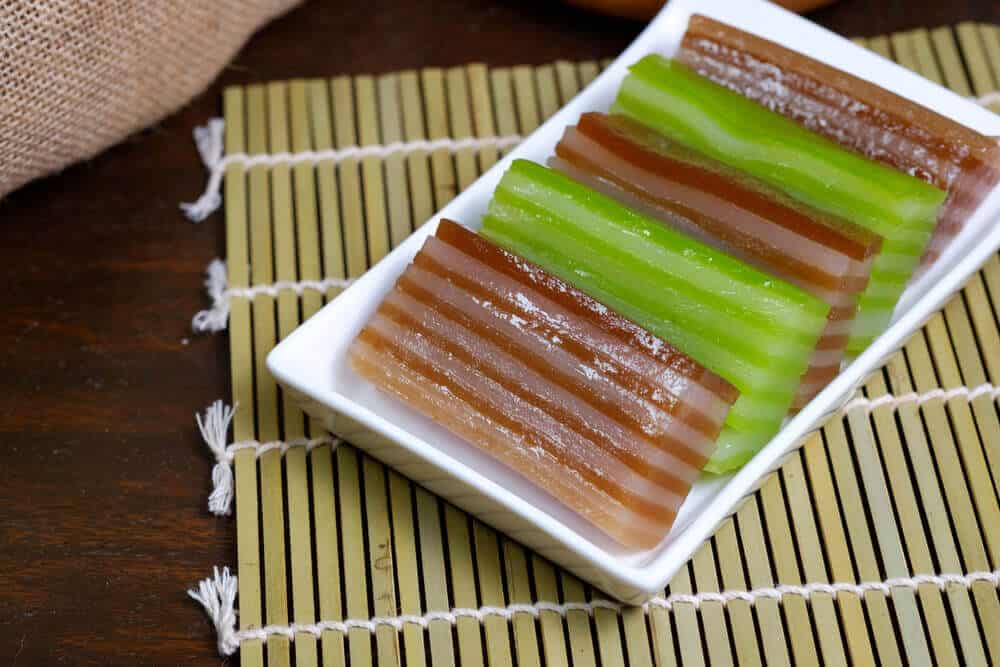
Kue lapis is a distinctive dessert originating from Indonesia, particularly famous for its multicolored layers and soft texture. The name "kue lapis" literally means "layered cake", a fitting description of this treat. Made from a mixture of rice flour, sugar, coconut milk, and sometimes flavored with pandan, each layer is carefully cooked separately, giving the cake its layered appearance. Patience and precision are essential to achieve perfect thin layers. The result is a dense, slightly chewy cake, rich in flavor. It can be enjoyed slice by slice, savoring each layer individually. In Indonesia, kue lapis is often present at major occasions or celebrations, such as Eid. Its delicate taste and visually impressive presentation make it a favorite among pastry lovers.
View recipe